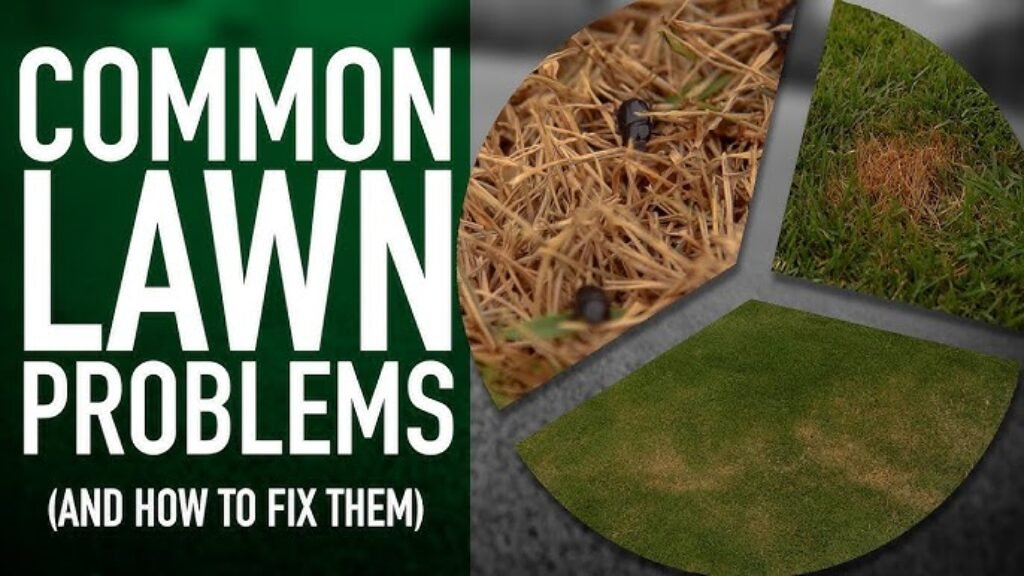
A healthy lawn can enhance curb appeal, provide a comfortable outdoor space, and increase the overall value of your property. However, even well-maintained lawns can develop problems throughout the year. Yellow patches, weeds, bare spots, and lawn diseases are common challenges that many homeowners face.
The good news is that most lawn problems can be identified and corrected with the right approach. This guide explains some of the most common lawn issues and how to fix them before they cause long-term damage.
Why Lawn Problems Occur
Grass is constantly affected by environmental conditions, maintenance practices, pests, and diseases.
Common causes of lawn problems include:
- Improper watering
- Poor mowing habits
- Soil compaction
- Nutrient deficiencies
- Pest infestations
- Fungal diseases
- Extreme weather conditions
Understanding the root cause is the first step toward restoring a healthy lawn.
Yellow Grass
Yellow grass is one of the most common lawn complaints.
Possible Causes
Overwatering
Too much water can limit oxygen in the soil and weaken grass roots.
Underwatering
Insufficient water causes grass to dry out and lose its green color.
Nutrient Deficiency
Low nitrogen levels often result in pale or yellow grass.
Pet Damage
Pet urine can create yellow patches due to high nitrogen concentrations.
How to Fix It
- Adjust watering schedules
- Apply a balanced lawn fertilizer
- Improve drainage if necessary
- Rinse areas affected by pet urine
Regular lawn maintenance usually restores color over time.
Bare Spots in the Lawn
Bare patches can make a lawn appear unhealthy and uneven.
Common Causes
- Heavy foot traffic
- Pet activity
- Lawn diseases
- Insect damage
- Drought stress
How to Fix It
Remove Dead Grass
Clear away damaged material to expose the soil.
Loosen the Soil
Use a garden rake to improve seed-to-soil contact.
Overseed
Apply grass seed suitable for your climate and lawn type.
Water Consistently
Keep the area moist until new grass becomes established.
Weed Infestations
Weeds compete with grass for sunlight, water, and nutrients.
Common Lawn Weeds
Dandelions
Recognized by their bright yellow flowers.
Crabgrass
An aggressive annual weed that spreads quickly.
Clover
Often appears in nutrient-deficient lawns.
Nutsedge
Produces fast-growing grass-like shoots.
How to Fix It
- Maintain proper mowing height
- Fertilize regularly
- Overseed thin areas
- Remove weeds before they spread
- Apply appropriate weed control products when necessary
A dense lawn naturally reduces weed growth.
Brown Patches
Brown patches can range from small spots to large areas of dead grass.
Common Causes
Drought Stress
Insufficient moisture during hot weather.
Fungal Disease
Certain lawn diseases create circular brown patches.
Compacted Soil
Restricted root growth can lead to poor lawn health.
How to Fix It
- Water deeply and consistently
- Aerate compacted soil
- Improve drainage
- Reduce excessive thatch buildup
- Address fungal problems promptly
Lawn Disease
Several diseases can affect turfgrass health.
Common Lawn Diseases
Brown Patch
Often appears during warm, humid conditions.
Dollar Spot
Creates small, circular dead patches.
Rust Disease
Produces orange or yellow spores on grass blades.
How to Fix It
- Avoid overwatering
- Water early in the morning
- Improve airflow
- Follow proper fertilization practices
- Remove excessive thatch
Healthy lawns are generally more resistant to disease.
Soil Compaction
Compacted soil prevents roots from accessing water, oxygen, and nutrients.
Warning Signs
- Water pooling after rain
- Hard soil surface
- Thin grass growth
- Increased weed presence
How to Fix It
Aerate the Lawn
Aeration creates openings that improve:
- Air circulation
- Water penetration
- Root development
Most lawns benefit from aeration every one to three years.
Thatch Buildup
Thatch is a layer of dead grass, roots, and organic material that accumulates between the soil and living grass.
Problems Caused by Excessive Thatch
- Poor water penetration
- Increased disease risk
- Reduced nutrient absorption
How to Fix It
Dethatching
Use a dethatching rake or machine to remove excess material.
Aeration
Aeration helps break down thatch naturally over time.
Insect Damage
Various insects can damage lawns by feeding on roots or grass blades.
Common Lawn Pests
Grubs
Feed on grass roots below the surface.
Chinch Bugs
Extract moisture from grass plants.
Armyworms
Can quickly damage large lawn areas.
Warning Signs
- Irregular dead patches
- Grass pulling up easily
- Increased bird activity
How to Fix It
- Identify the specific pest
- Apply appropriate treatments if necessary
- Maintain healthy grass growth
- Monitor affected areas regularly
Healthy lawns are generally better able to tolerate minor pest activity.
Uneven Lawn Growth
Some areas may grow faster or appear healthier than others.
Common Causes
- Uneven sunlight
- Poor soil quality
- Inconsistent watering
- Compaction
How to Fix It
- Improve soil conditions
- Adjust irrigation coverage
- Prune trees if necessary
- Overseed thin areas
Consistent maintenance usually improves lawn uniformity.
Moss Growth
Moss often appears in shaded, damp areas.
Why Moss Develops
- Poor drainage
- Excess shade
- Acidic soil
- Weak grass growth
How to Fix It
- Improve drainage
- Increase sunlight exposure
- Aerate compacted soil
- Strengthen grass through proper fertilization
Removing moss without correcting underlying conditions usually leads to its return.
Preventing Lawn Problems
Preventative care is often easier than repairing damage.
Follow Proper Mowing Practices
- Keep blades sharp
- Avoid cutting grass too short
- Follow the one-third rule
Water Correctly
- Water deeply
- Avoid frequent shallow watering
- Water early in the day
Fertilize Appropriately
Use fertilizer according to:
- Grass type
- Soil conditions
- Seasonal needs
Aerate When Needed
Periodic aeration promotes healthy root development and improves soil conditions.
Frequently Asked Questions
Why is my lawn turning yellow?
Yellow grass may result from overwatering, underwatering, nutrient deficiencies, pet damage, or poor soil conditions.
How do I repair bare spots?
Remove damaged grass, loosen the soil, apply seed, and keep the area consistently moist until new growth develops.
What causes brown patches in lawns?
Brown patches may result from drought stress, fungal disease, compacted soil, or poor drainage.
How can I prevent weeds from taking over my lawn?
Maintaining a thick, healthy lawn is one of the most effective methods of weed prevention.
Final Thoughts
Most lawn problems can be corrected when identified early and addressed properly. Yellow grass, bare spots, weeds, brown patches, soil compaction, and pest damage are all common issues that homeowners encounter. By understanding the causes behind these problems and following proper lawn care practices, you can maintain a healthier, greener, and more resilient yard throughout the year. Consistent mowing, watering, fertilizing, and preventative maintenance remain the keys to long-term lawn success.