
Every homeowner encounters occasional repairs, maintenance tasks, and DIY projects. Whether you’re hanging a picture frame, assembling furniture, fixing a leaking faucet, or tackling a weekend project, having the right hand tools can save time, money, and frustration.
While professional contractors may own extensive tool collections, most homeowners only need a core set of essential hand tools to handle everyday household tasks. This guide covers the most important hand tools every homeowner should consider owning.
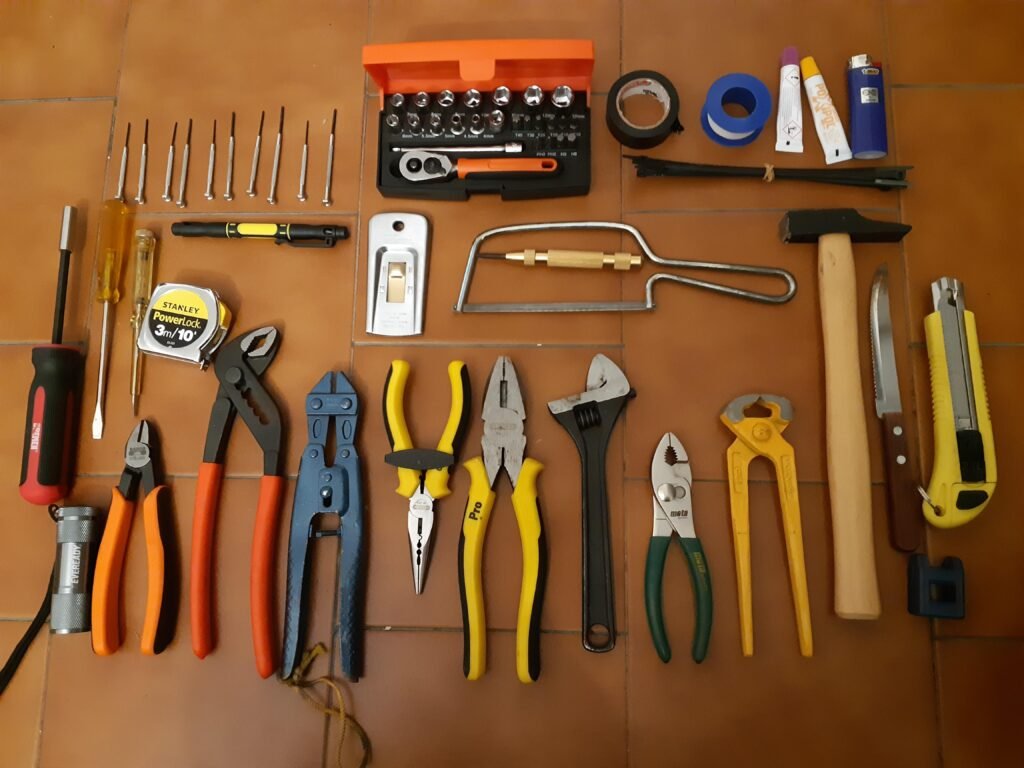
Why Every Homeowner Needs Basic Hand Tools
A well-equipped toolbox offers several benefits:
- Reduces the need for professional repairs
- Saves money on simple maintenance tasks
- Makes home improvement projects easier
- Allows quick response to household issues
- Improves safety and efficiency
Many common home repairs can be completed using just a few basic tools.
Claw Hammer
A claw hammer is one of the most versatile tools found in any toolbox.
Common Uses
- Driving nails
- Removing nails
- Hanging pictures
- Light demolition work
- Basic carpentry projects
What to Look For
- Comfortable grip
- Balanced weight
- Durable steel head
A 16-ounce claw hammer is a practical choice for most homeowners.
Tape Measure
Accurate measurements are essential for successful DIY projects.
Common Uses
- Measuring furniture
- Installing shelves
- Planning renovations
- Hanging artwork
- Purchasing building materials
Recommended Size
A 25-foot tape measure is suitable for most household tasks.
Always remember the classic DIY rule:
Measure twice, cut once.
Screwdriver Set
A quality screwdriver set is essential for home maintenance.
Phillips Screwdrivers
Used for:
- Furniture assembly
- Electronics
- Household fixtures
Flathead Screwdrivers
Useful for:
- Older hardware
- Basic repairs
- Various adjustment tasks
Precision Screwdrivers
Ideal for:
- Eyeglasses
- Small electronics
- Delicate components
Having multiple sizes improves versatility.
Adjustable Wrench
An adjustable wrench can fit a variety of bolt and nut sizes.
Common Uses
- Plumbing repairs
- Appliance installation
- Furniture assembly
- General maintenance
Benefits
- Versatile
- Space-saving
- Easy to adjust
Many homeowners find themselves using this tool regularly.
Slip-Joint Pliers
Slip-joint pliers are useful for gripping, twisting, and holding objects.
Common Uses
- Tightening fittings
- Gripping hardware
- Bending wire
- General household repairs
Their adjustable jaws make them suitable for many tasks.
Needle-Nose Pliers
Needle-nose pliers provide greater precision.
Common Uses
- Electrical work
- Reaching tight spaces
- Bending wire
- Holding small parts
Their narrow design allows access where larger tools cannot reach.
Utility Knife
A utility knife is one of the most frequently used tools for DIY projects.
Common Uses
- Opening packages
- Cutting drywall
- Trimming materials
- Scoring surfaces
Important Tip
Keep spare blades available to maintain clean and safe cuts.
Level
A level helps ensure projects are properly aligned.
Common Uses
- Hanging pictures
- Mounting shelves
- Installing cabinets
- Aligning furniture
Even a small level can dramatically improve the appearance of finished projects.
Hex Key Set (Allen Wrenches)
Many modern products use hex fasteners.
Common Uses
- Furniture assembly
- Bicycle maintenance
- Equipment adjustments
Most homeowners encounter Allen screws regularly.
Adjustable Pliers
Adjustable pliers offer greater gripping strength for larger jobs.
Common Uses
- Plumbing repairs
- Pipe fittings
- Tightening large hardware
These tools are especially useful for homeowners performing basic plumbing maintenance.
Putty Knife
A putty knife is helpful for wall repairs and painting projects.
Common Uses
- Applying filler
- Scraping surfaces
- Removing old paint
- Filling nail holes
It is a simple but highly useful addition to any toolbox.
Stud Finder
Although technically not a hand tool in the traditional sense, a stud finder is extremely useful for homeowners.
Common Uses
- Hanging heavy items
- Mounting televisions
- Installing shelves
- Securing cabinets
Finding wall studs helps improve safety and stability.
Hand Saw
A basic hand saw can handle many cutting tasks around the house.
Common Uses
- Trimming wood
- Small woodworking projects
- Emergency repairs
A hand saw remains useful even if you own power tools.
Flashlight
A reliable flashlight is essential for both repairs and emergencies.
Useful Situations
- Power outages
- Attic inspections
- Plumbing repairs
- Electrical troubleshooting
Rechargeable LED flashlights are popular due to their brightness and efficiency.
Tool Storage Solutions
Keeping tools organized improves efficiency and protects your investment.
Common Storage Options
Toolbox
Portable and convenient.
Tool Bag
Ideal for carrying frequently used tools.
Wall Storage
Keeps tools visible and accessible.
Tool Chest
Provides larger storage capacity.
Good organization helps prevent tool loss and damage.
Building a Basic Homeowner Toolkit
If you’re just starting out, consider building a toolkit that includes:
- Claw Hammer
- Tape Measure
- Screwdriver Set
- Adjustable Wrench
- Slip-Joint Pliers
- Needle-Nose Pliers
- Utility Knife
- Level
- Hex Key Set
- Flashlight
These tools can handle a large percentage of common household repairs and projects.
Common Tool Buying Mistakes
Buying the Cheapest Tools
Extremely inexpensive tools may wear out quickly or perform poorly.
Purchasing Specialized Tools Too Early
Focus on versatile tools first.
Ignoring Tool Quality
Reliable tools often last longer and provide better results.
Poor Storage Habits
Proper storage prevents rust, damage, and lost tools.
Frequently Asked Questions
What is the most important hand tool for homeowners?
A hammer, tape measure, and screwdriver set are often considered the most essential tools.
Do homeowners need expensive professional tools?
Not necessarily. Quality mid-range tools are often sufficient for most household projects.
How should tools be stored?
Store tools in a clean, dry location to prevent rust and damage.
How often should hand tools be replaced?
Well-maintained hand tools can last many years and often only need replacement when damaged or worn.
Final Thoughts
Every homeowner can benefit from having a basic collection of reliable hand tools. Essentials such as a hammer, tape measure, screwdrivers, pliers, utility knife, and adjustable wrench provide the foundation for handling everyday repairs and maintenance tasks. By investing in quality tools and storing them properly, homeowners can save money, improve self-sufficiency, and confidently tackle a wide range of DIY projects around the house.
Every homeowner encounters occasional repairs, maintenance tasks, and DIY projects. Whether you’re hanging a picture frame, assembling furniture, fixing a leaking faucet, or tackling a weekend project, having the right hand tools can save time, money, and frustration.
While professional contractors may own extensive tool collections, most homeowners only need a core set of essential hand tools to handle everyday household tasks. This guide covers the most important hand tools every homeowner should consider owning.
Why Every Homeowner Needs Basic Hand Tools
A well-equipped toolbox offers several benefits:
- Reduces the need for professional repairs
- Saves money on simple maintenance tasks
- Makes home improvement projects easier
- Allows quick response to household issues
- Improves safety and efficiency
Many common home repairs can be completed using just a few basic tools.
Claw Hammer
A claw hammer is one of the most versatile tools found in any toolbox.
Common Uses
- Driving nails
- Removing nails
- Hanging pictures
- Light demolition work
- Basic carpentry projects
What to Look For
- Comfortable grip
- Balanced weight
- Durable steel head
A 16-ounce claw hammer is a practical choice for most homeowners.
Tape Measure
Accurate measurements are essential for successful DIY projects.
Common Uses
- Measuring furniture
- Installing shelves
- Planning renovations
- Hanging artwork
- Purchasing building materials
Recommended Size
A 25-foot tape measure is suitable for most household tasks.
Always remember the classic DIY rule:
Measure twice, cut once.
Screwdriver Set
A quality screwdriver set is essential for home maintenance.
Phillips Screwdrivers
Used for:
- Furniture assembly
- Electronics
- Household fixtures
Flathead Screwdrivers
Useful for:
- Older hardware
- Basic repairs
- Various adjustment tasks
Precision Screwdrivers
Ideal for:
- Eyeglasses
- Small electronics
- Delicate components
Having multiple sizes improves versatility.
Adjustable Wrench
An adjustable wrench can fit a variety of bolt and nut sizes.
Common Uses
- Plumbing repairs
- Appliance installation
- Furniture assembly
- General maintenance
Benefits
- Versatile
- Space-saving
- Easy to adjust
Many homeowners find themselves using this tool regularly.
Slip-Joint Pliers
Slip-joint pliers are useful for gripping, twisting, and holding objects.
Common Uses
- Tightening fittings
- Gripping hardware
- Bending wire
- General household repairs
Their adjustable jaws make them suitable for many tasks.
Needle-Nose Pliers
Needle-nose pliers provide greater precision.
Common Uses
- Electrical work
- Reaching tight spaces
- Bending wire
- Holding small parts
Their narrow design allows access where larger tools cannot reach.
Utility Knife
A utility knife is one of the most frequently used tools for DIY projects.
Common Uses
- Opening packages
- Cutting drywall
- Trimming materials
- Scoring surfaces
Important Tip
Keep spare blades available to maintain clean and safe cuts.
Level
A level helps ensure projects are properly aligned.
Common Uses
- Hanging pictures
- Mounting shelves
- Installing cabinets
- Aligning furniture
Even a small level can dramatically improve the appearance of finished projects.
Hex Key Set (Allen Wrenches)
Many modern products use hex fasteners.
Common Uses
- Furniture assembly
- Bicycle maintenance
- Equipment adjustments
Most homeowners encounter Allen screws regularly.
Adjustable Pliers
Adjustable pliers offer greater gripping strength for larger jobs.
Common Uses
- Plumbing repairs
- Pipe fittings
- Tightening large hardware
These tools are especially useful for homeowners performing basic plumbing maintenance.
Putty Knife
A putty knife is helpful for wall repairs and painting projects.
Common Uses
- Applying filler
- Scraping surfaces
- Removing old paint
- Filling nail holes
It is a simple but highly useful addition to any toolbox.
Stud Finder
Although technically not a hand tool in the traditional sense, a stud finder is extremely useful for homeowners.
Common Uses
- Hanging heavy items
- Mounting televisions
- Installing shelves
- Securing cabinets
Finding wall studs helps improve safety and stability.
Hand Saw
A basic hand saw can handle many cutting tasks around the house.
Common Uses
- Trimming wood
- Small woodworking projects
- Emergency repairs
A hand saw remains useful even if you own power tools.
Flashlight
A reliable flashlight is essential for both repairs and emergencies.
Useful Situations
- Power outages
- Attic inspections
- Plumbing repairs
- Electrical troubleshooting
Rechargeable LED flashlights are popular due to their brightness and efficiency.
Tool Storage Solutions
Keeping tools organized improves efficiency and protects your investment.
Common Storage Options
Toolbox
Portable and convenient.
Tool Bag
Ideal for carrying frequently used tools.
Wall Storage
Keeps tools visible and accessible.
Tool Chest
Provides larger storage capacity.
Good organization helps prevent tool loss and damage.
Building a Basic Homeowner Toolkit
If you’re just starting out, consider building a toolkit that includes:
- Claw Hammer
- Tape Measure
- Screwdriver Set
- Adjustable Wrench
- Slip-Joint Pliers
- Needle-Nose Pliers
- Utility Knife
- Level
- Hex Key Set
- Flashlight
These tools can handle a large percentage of common household repairs and projects.
Common Tool Buying Mistakes
Buying the Cheapest Tools
Extremely inexpensive tools may wear out quickly or perform poorly.
Purchasing Specialized Tools Too Early
Focus on versatile tools first.
Ignoring Tool Quality
Reliable tools often last longer and provide better results.
Poor Storage Habits
Proper storage prevents rust, damage, and lost tools.
Frequently Asked Questions
What is the most important hand tool for homeowners?
A hammer, tape measure, and screwdriver set are often considered the most essential tools.
Do homeowners need expensive professional tools?
Not necessarily. Quality mid-range tools are often sufficient for most household projects.
How should tools be stored?
Store tools in a clean, dry location to prevent rust and damage.
How often should hand tools be replaced?
Well-maintained hand tools can last many years and often only need replacement when damaged or worn.
Final Thoughts
Every homeowner can benefit from having a basic collection of reliable hand tools. Essentials such as a hammer, tape measure, screwdrivers, pliers, utility knife, and adjustable wrench provide the foundation for handling everyday repairs and maintenance tasks. By investing in quality tools and storing them properly, homeowners can save money, improve self-sufficiency, and confidently tackle a wide range of DIY projects around the house.