
Creating a home workshop is one of the best investments a DIY enthusiast can make. A well-organized workspace improves efficiency, increases safety, and makes projects more enjoyable. Whether you’re interested in woodworking, home repairs, furniture building, or general DIY projects, setting up a functional workshop doesn’t require a huge budget or a large space.
This guide covers the essential steps for creating a practical workshop that meets the needs of beginners.
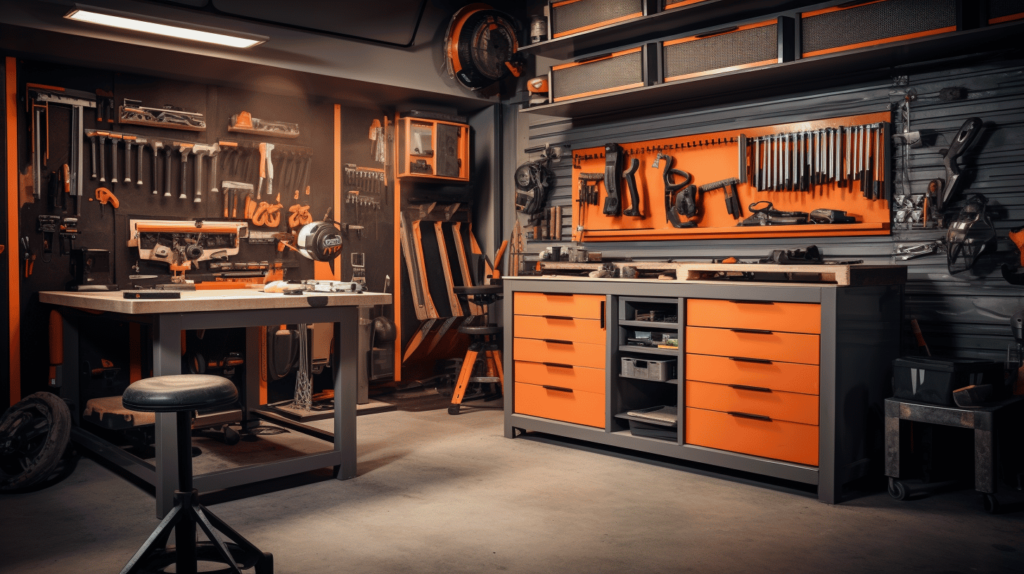
Why Build a Home Workshop?
A dedicated workshop provides a space where tools, materials, and projects can remain organized and accessible.
Benefits include:
- Increased productivity
- Better project quality
- Improved safety
- Easier tool organization
- Reduced clutter inside the home
Even a small workshop can significantly improve the DIY experience.
Choose the Right Location
The first step is selecting an appropriate workspace.
Common Workshop Locations
Garage
The most popular choice for homeowners.
Advantages:
- Ample space
- Easy access
- Good ventilation
Basement
A good option for year-round use.
Advantages:
- Climate protection
- Secure storage
- Quiet environment
Shed
Ideal for homeowners who want a separate workspace.
Advantages:
- Dedicated project area
- Keeps noise outside the home
Spare Room
Suitable for lighter DIY projects.
Advantages:
- Climate-controlled environment
- Convenient access
Choose a location that matches your project type and available space.
Plan Your Workshop Layout
A good layout improves workflow and reduces frustration.
Create Functional Zones
Many workshops benefit from designated areas for:
Workbench Area
For assembly and repairs.
Tool Storage Area
For organizing equipment.
Material Storage Area
For lumber, hardware, and supplies.
Finishing Area
For painting, sanding, and detailed work.
Keeping activities organized can improve efficiency and safety.
Invest in a Quality Workbench
The workbench is often the centerpiece of a workshop.
Features to Look For
- Sturdy construction
- Flat work surface
- Adequate size
- Storage options
A durable workbench provides a stable platform for a wide variety of projects.
Ensure Proper Lighting
Good lighting is essential for both safety and accuracy.
Types of Workshop Lighting
Overhead Lighting
Provides general illumination.
Task Lighting
Focused lighting for detailed work.
Examples include:
- Workbench lights
- Adjustable LED lamps
Well-lit workspaces reduce mistakes and eye strain.
Organize Your Tools
Proper organization saves time and protects equipment.
Popular Storage Solutions
Pegboards
Ideal for frequently used hand tools.
Benefits:
- Easy visibility
- Quick access
- Flexible arrangement
Tool Chests
Excellent for storing:
- Hand tools
- Power tool accessories
- Hardware
Shelving Units
Useful for:
- Paint supplies
- Storage bins
- Larger equipment
Wall Cabinets
Provide protection from dust and moisture.
An organized workshop is generally safer and more productive.
Build a Basic Tool Collection
Beginners don’t need every tool immediately.
Essential Hand Tools
- Hammer
- Tape measure
- Screwdriver set
- Utility knife
- Adjustable wrench
- Pliers
- Level
Essential Power Tools
- Cordless drill
- Impact driver
- Circular saw
- Random orbital sander
- Shop vacuum
Start with versatile tools and expand your collection as needed.
Create a Hardware Storage System
Small items can quickly become disorganized.
Examples include:
- Screws
- Nails
- Washers
- Anchors
- Nuts and bolts
Storage options:
- Plastic organizers
- Drawer systems
- Labeled bins
Proper organization saves significant time during projects.
Consider Electrical Requirements
Many DIY projects rely on power tools.
Important Considerations
- Available outlets
- Extension cords
- Power strips
- Circuit capacity
Avoid overloading electrical circuits.
If extensive power needs exist, consult a qualified electrician.
Improve Workshop Ventilation
Ventilation is especially important when:
- Painting
- Sanding
- Staining
- Using chemicals
Proper airflow helps reduce dust and fumes.
Ventilation Solutions
- Open windows
- Exhaust fans
- Portable fans
- Air filtration systems
Good air quality contributes to a safer workspace.
Control Dust and Debris
Dust can create both health and safety concerns.
Dust Management Tips
- Use a shop vacuum
- Sweep regularly
- Clean tools after use
- Install dust collection systems if needed
Maintaining cleanliness improves both safety and equipment lifespan.
Prioritize Safety
Safety should be considered during every stage of workshop setup.
Essential Safety Equipment
Safety Glasses
Protect eyes from debris.
Hearing Protection
Useful when operating loud tools.
Dust Mask or Respirator
Important during sanding and cutting operations.
Work Gloves
Provide hand protection when appropriate.
Keep a First Aid Kit Nearby
Every workshop should include a basic first aid kit for minor injuries.
Maximize Small Workshop Spaces
Many beginners work with limited space.
Space-Saving Ideas
Wall Storage
Utilize vertical space.
Folding Workbenches
Useful in compact workshops.
Mobile Tool Carts
Provide flexibility and easy access.
Multi-Purpose Workstations
Serve several functions within a single area.
A small workshop can still be highly productive with proper planning.
Common Workshop Setup Mistakes
Buying Too Many Tools Immediately
Focus on essentials first.
Ignoring Organization
Disorganized workshops reduce efficiency and increase frustration.
Poor Lighting
Insufficient lighting can affect both safety and project quality.
Neglecting Safety Equipment
Protective gear should be considered part of every workshop budget.
Lack of Storage Planning
Without storage systems, tools and materials can quickly overwhelm the workspace.
Workshop Setup Checklist
Before beginning projects, ensure you have:
✓ Workbench
✓ Adequate lighting
✓ Basic hand tools
✓ Essential power tools
✓ Tool storage system
✓ Hardware organizers
✓ Shop vacuum
✓ Safety equipment
✓ First aid kit
✓ Proper ventilation
Frequently Asked Questions
How much space do I need for a workshop?
Even a small section of a garage or basement can function effectively as a beginner workshop.
What is the most important workshop tool?
A sturdy workbench is often considered the foundation of a functional workshop.
Should beginners buy expensive tools?
Not necessarily. Quality mid-range tools are often sufficient for most DIY projects.
How can I keep my workshop organized?
Use pegboards, tool chests, labeled storage bins, and shelving systems to maintain organization.
Final Thoughts
A well-designed workshop can make DIY projects more enjoyable, efficient, and safe. By choosing the right location, creating a practical layout, investing in essential tools, and implementing effective storage solutions, beginners can build a workspace that supports a wide range of home improvement and woodworking projects. Start with the basics, focus on organization and safety, and expand your workshop as your skills and project needs grow.