
An organized workshop is more than just visually appealing—it improves efficiency, increases safety, and helps protect your investment in tools. Whether you have a small garage workshop or a dedicated workspace, proper tool storage can save time, reduce frustration, and make every project more enjoyable.
This guide explores practical tool storage and organization ideas for homeowners, DIY enthusiasts, and beginner woodworkers.
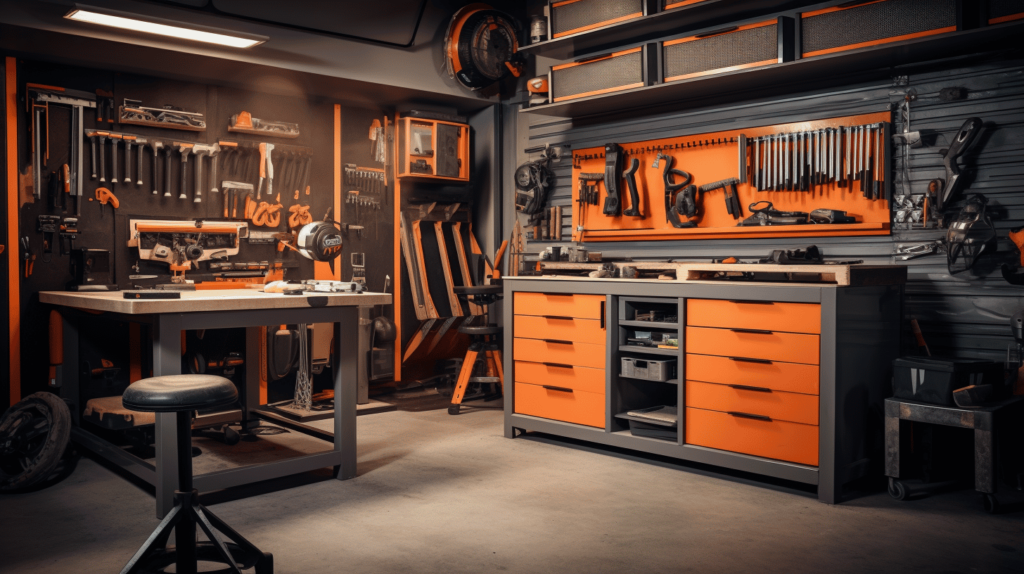
Why Tool Organization Matters
Many DIY projects become more difficult when tools are scattered or difficult to find.
Benefits of proper organization include:
- Faster project completion
- Improved productivity
- Better tool protection
- Increased workspace safety
- Reduced clutter
- Longer tool lifespan
A few simple storage solutions can dramatically improve your workshop experience.
Start by Sorting Your Tools
Before purchasing storage systems, organize what you already own.
Group Similar Tools Together
Examples include:
Hand Tools
- Hammers
- Screwdrivers
- Pliers
- Wrenches
Power Tools
- Drills
- Saws
- Sanders
- Grinders
Measuring Tools
- Tape measures
- Squares
- Levels
Fasteners
- Screws
- Nails
- Bolts
- Washers
Sorting tools makes it easier to design an effective storage system.
Use a Pegboard Wall System
Pegboards remain one of the most popular workshop organization solutions.
Benefits
- Easy visibility
- Quick access
- Flexible arrangement
- Efficient use of wall space
Best Tools for Pegboards
- Hammers
- Pliers
- Screwdrivers
- Tape measures
- Safety equipment
A well-organized pegboard allows you to find frequently used tools instantly.
Install Wall-Mounted Tool Racks
Wall racks help maximize vertical storage space.
Ideal For
- Levels
- Clamps
- Extension cords
- Garden tools
- Hand saws
Wall storage helps keep floors clear and reduces clutter.
Invest in a Tool Chest
Tool chests provide secure and organized storage for hand tools and accessories.
Advantages
- Multiple drawers
- Portable options available
- Excellent organization
- Protection from dust
Many homeowners use tool chests as the foundation of their workshop storage system.
Use Rolling Tool Cabinets
For larger workshops, rolling cabinets offer additional flexibility.
Benefits
- Mobility
- Large storage capacity
- Easy access to tools
Rolling cabinets can be moved directly to project areas, reducing unnecessary trips across the workshop.
Organize Small Hardware
Small items often create the most clutter.
Common Hardware
- Screws
- Nails
- Anchors
- Nuts
- Bolts
- Washers
Storage Solutions
Plastic Organizer Boxes
Ideal for sorting small parts.
Drawer Organizers
Provide easy visibility and access.
Clear Storage Containers
Allow quick identification of contents.
Labeling each compartment can save significant time.
Add Open Shelving
Shelving units provide storage for larger items.
Great For Storing
- Paint cans
- Power tool cases
- Cleaning supplies
- Storage bins
- Project materials
Open shelves allow easy access while keeping items off the floor.
Create Dedicated Power Tool Storage
Power tools are often expensive and deserve proper protection.
Storage Ideas
Wall-Mounted Charging Station
Keeps batteries and chargers organized.
Power Tool Shelf
Stores drills, saws, and sanders together.
Tool Cabinets
Protect tools from dust and moisture.
Grouping power tools by type can improve workflow.
Build a Battery Charging Station
Cordless tools require battery management.
A dedicated charging station can store:
- Batteries
- Chargers
- Extension cords
- Tool manuals
Benefits include:
- Reduced clutter
- Easier charging
- Improved battery organization
Use Magnetic Tool Holders
Magnetic strips provide convenient storage for metal tools.
Common Uses
- Screwdrivers
- Wrenches
- Utility knives
- Drill bits
Magnetic holders work especially well near workbenches.
Organize Lumber and Materials
Building materials can quickly consume valuable workshop space.
Lumber Storage Ideas
Vertical Storage
Good for long boards and trim pieces.
Horizontal Wall Racks
Ideal for larger lumber collections.
Scrap Bins
Useful for storing leftover materials.
Keeping materials organized reduces waste and improves safety.
Label Everything
Labels are one of the simplest ways to improve organization.
Consider labeling:
- Drawers
- Storage bins
- Shelves
- Hardware containers
Labels help maintain organization over time and make items easier to locate.
Keep Frequently Used Tools Accessible
Not every tool needs equal access.
Place Frequently Used Tools Near Your Workbench
Examples:
- Tape measure
- Hammer
- Screwdrivers
- Utility knife
- Drill
Store less frequently used items in cabinets or higher shelves.
Create a Mobile Workstation
A rolling workstation can combine:
- Tool storage
- Work surface
- Material storage
Benefits include:
- Flexibility
- Improved workflow
- Better use of space
Mobile workstations are especially useful in smaller workshops.
Maintain Organization Regularly
Even the best storage system requires occasional maintenance.
Monthly Organization Tasks
- Return misplaced tools
- Discard unnecessary clutter
- Reorganize storage areas
- Clean shelves and drawers
Small maintenance sessions prevent major organization problems later.
Common Tool Storage Mistakes
Storing Tools on the Floor
Tools stored on floors are more vulnerable to damage and moisture.
Ignoring Vertical Space
Walls often provide significant storage opportunities.
Mixing Hardware Together
Unsorted screws and fasteners can waste time during projects.
Buying Storage Before Planning
Evaluate your tools first, then choose storage solutions.
Failing to Label Containers
Labels simplify organization and improve efficiency.
Workshop Organization Checklist
✓ Pegboard for frequently used tools
✓ Tool chest or cabinet
✓ Shelving system
✓ Hardware organizers
✓ Battery charging station
✓ Wall-mounted racks
✓ Magnetic tool holders
✓ Labeled storage bins
✓ Lumber storage solution
✓ Regular cleanup routine
Frequently Asked Questions
What is the best way to organize hand tools?
Pegboards, tool chests, and wall-mounted racks are among the most effective solutions.
How should power tools be stored?
Store power tools in cabinets, dedicated shelves, or charging stations to protect them from dust and moisture.
Are pegboards still useful?
Yes. Pegboards remain one of the most affordable and versatile workshop organization systems available.
How can I organize a small workshop?
Use vertical storage, wall-mounted systems, mobile workstations, and multi-purpose furniture to maximize available space.
Final Thoughts
Effective tool storage and organization can transform any workshop into a more productive, efficient, and enjoyable workspace. By using pegboards, tool chests, shelving systems, charging stations, and labeled storage solutions, homeowners can keep tools accessible while reducing clutter and protecting valuable equipment. A well-organized workshop not only saves time but also makes every DIY project smoother and more successful.