
Power tools make home improvement projects faster, easier, and more efficient. However, they can also cause serious injuries when used improperly. Whether you’re a beginner DIY enthusiast or an experienced homeowner, understanding basic power tool safety is essential for protecting yourself and those around you.
This guide covers the most important safety practices every user should follow when operating power tools.
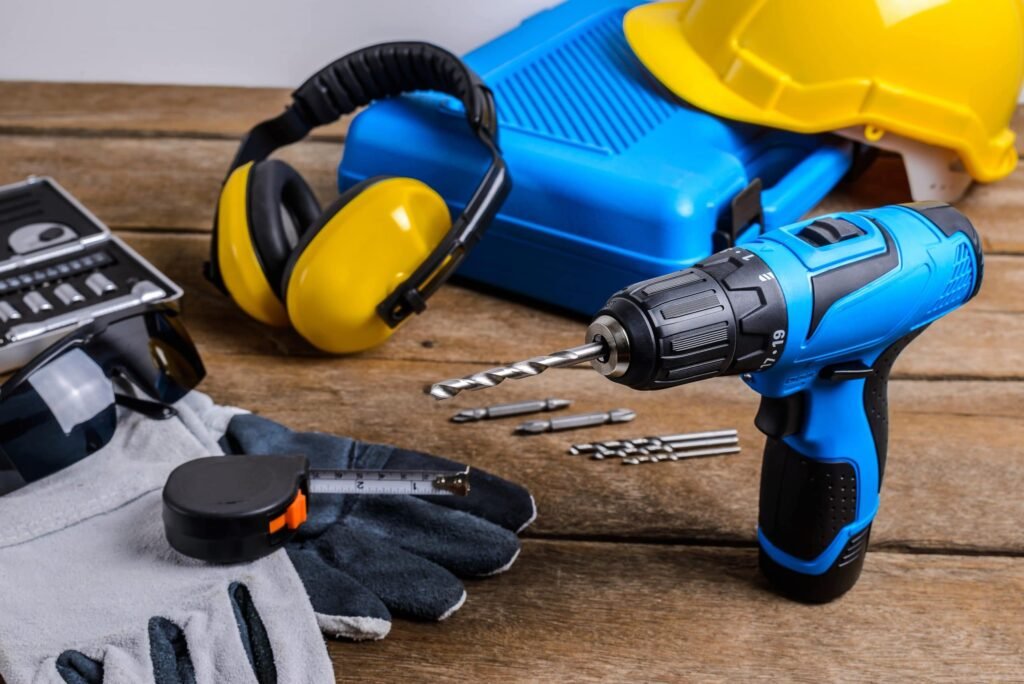
Why Power Tool Safety Matters
Power tools are designed to cut, drill, grind, sand, and fasten materials quickly. The same power that makes them effective can also make them dangerous.
Common injuries include:
- Cuts and lacerations
- Eye injuries
- Burns
- Electrical shocks
- Hearing damage
- Hand injuries
Fortunately, most accidents can be prevented through proper preparation and safe operating habits.
Read the Owner’s Manual
Many users skip the instruction manual, but it contains valuable safety information.
The manual typically explains:
- Proper operation
- Safety features
- Maintenance requirements
- Recommended accessories
- Emergency procedures
Even experienced users should review manufacturer guidelines when using unfamiliar equipment.
Wear Appropriate Personal Protective Equipment
Personal protective equipment (PPE) is one of the most important aspects of tool safety.
Safety Glasses
Protect your eyes from:
- Wood chips
- Dust
- Metal fragments
- Flying debris
Eye protection should be worn whenever power tools are in operation.
Hearing Protection
Many power tools produce noise levels capable of damaging hearing.
Examples include:
- Circular saws
- Angle grinders
- Nail guns
- Leaf blowers
Earplugs or earmuffs can help prevent long-term hearing loss.
Dust Masks and Respirators
Certain projects generate harmful dust.
Common examples:
- Sanding wood
- Cutting drywall
- Grinding materials
Proper respiratory protection improves safety and air quality.
Work Gloves
Gloves can help protect hands during material handling and certain tasks.
However, avoid loose-fitting gloves around rotating machinery where entanglement may occur.
Inspect Tools Before Use
Always examine tools before starting work.
Check For
- Cracked housings
- Loose parts
- Damaged switches
- Frayed cords
- Worn blades
- Missing guards
Using damaged equipment increases the risk of accidents.
If a tool appears unsafe, repair or replace it before use.
Use the Right Tool for the Job
Every power tool is designed for specific tasks.
Examples:
- Circular saws for cutting wood
- Drills for creating holes
- Sanders for surface preparation
- Grinders for grinding and cutting metal
Using the wrong tool can lead to:
- Poor results
- Equipment damage
- Increased injury risk
Always select the appropriate tool and accessory for the task.
Keep Your Work Area Clean
A cluttered workspace creates unnecessary hazards.
Remove
- Scrap materials
- Loose cords
- Unused tools
- Debris
Benefits include:
- Better mobility
- Improved visibility
- Reduced tripping hazards
A clean workspace is generally a safer workspace.
Secure the Material
Never attempt to hold material by hand while cutting or drilling.
Use:
- Clamps
- Vises
- Workbenches
Proper material support improves both safety and accuracy.
Maintain Proper Lighting
Poor visibility increases the likelihood of mistakes and accidents.
Ensure your workspace has:
- Adequate overhead lighting
- Task lighting for detailed work
- Clear visibility of cutting lines
Good lighting contributes significantly to safe tool operation.
Keep Guards and Safety Features in Place
Many power tools include built-in safety features.
Examples include:
- Blade guards
- Trigger locks
- Safety switches
- Protective shields
Never remove or disable these components.
They are designed to reduce injury risks during operation.
Avoid Loose Clothing and Jewelry
Loose items can become caught in moving parts.
Before using power tools:
- Remove jewelry
- Tie back long hair
- Avoid loose sleeves
- Wear fitted clothing
This is especially important when working around rotating equipment.
Unplug or Remove Batteries Before Adjustments
Before changing accessories or performing maintenance:
For Corded Tools
Disconnect power cords.
For Cordless Tools
Remove batteries.
This simple habit helps prevent accidental starts.
Keep Both Hands on the Tool
Whenever possible, maintain a firm two-handed grip.
Benefits include:
- Better control
- Improved accuracy
- Reduced kickback risk
Many power tools are specifically designed for two-handed operation.
Avoid Distractions
Power tools require full attention.
Avoid:
- Phone use
- Conversations
- Multitasking
Remain focused until the tool has completely stopped operating.
Be Aware of Kickback
Kickback occurs when a tool suddenly jerks toward the user.
Common tools associated with kickback include:
- Circular saws
- Table saws
- Angle grinders
To reduce risk:
- Use sharp blades
- Maintain proper grip
- Follow manufacturer guidelines
- Avoid forcing cuts
Understanding kickback is critical for safe operation.
Never Force a Tool
Allow the tool to perform the work.
Forcing equipment can cause:
- Loss of control
- Overheating
- Poor-quality results
- Premature wear
Sharp blades and proper technique generally improve performance.
Store Tools Properly
Proper storage protects both users and equipment.
Store Tools In
- Dry locations
- Tool cabinets
- Shelving systems
- Lockable storage when necessary
Keep tools out of reach of children and unauthorized users.
Maintain Your Equipment
Well-maintained tools are generally safer and more reliable.
Routine maintenance may include:
- Cleaning
- Blade sharpening
- Lubrication
- Battery care
- Cord inspections
Follow the manufacturer’s maintenance recommendations.
Common Power Tool Safety Mistakes
Ignoring Eye Protection
Eye injuries are among the most common workshop accidents.
Using Dull Blades
Dull cutting tools require more force and increase accident risk.
Removing Safety Guards
Safety devices should never be bypassed.
Operating Tools While Fatigued
Fatigue reduces concentration and reaction time.
Working in Poor Conditions
Avoid using power tools in wet, poorly lit, or cluttered environments.
Safety Checklist Before Starting Any Project
Before using any power tool, verify:
✓ Safety glasses are worn
✓ Hearing protection is available
✓ Tool is inspected
✓ Work area is clean
✓ Material is secured
✓ Correct accessory is installed
✓ Lighting is adequate
✓ Safety guards are functioning
✓ Distractions are minimized
Frequently Asked Questions
What is the most important piece of safety equipment?
Safety glasses are among the most essential forms of protection because eye injuries can occur very quickly.
Should beginners use power tools?
Yes. Beginners can safely use power tools when they follow proper safety procedures and manufacturer instructions.
How often should tools be inspected?
Inspect tools before every use for visible damage or safety concerns.
Why are tool guards important?
Guards help reduce exposure to moving parts and flying debris, lowering the risk of injury.
Final Thoughts
Power tools are valuable assets for homeowners and DIY enthusiasts, but they must be used responsibly. Wearing proper protective equipment, maintaining tools, keeping work areas organized, and following safe operating procedures can dramatically reduce the risk of accidents. By developing good safety habits from the beginning, users can complete projects more confidently, efficiently, and safely for years to come.