
Backyard gardening is one of the most rewarding hobbies homeowners can enjoy. Whether you’re growing vegetables, herbs, flowers, or a combination of plants, a backyard garden can provide fresh produce, improve your outdoor space, and offer a relaxing way to spend time outdoors.
For beginners, gardening may seem overwhelming at first. However, with proper planning and a few basic techniques, anyone can create a healthy and productive garden. This guide covers the essential steps to help you get started.
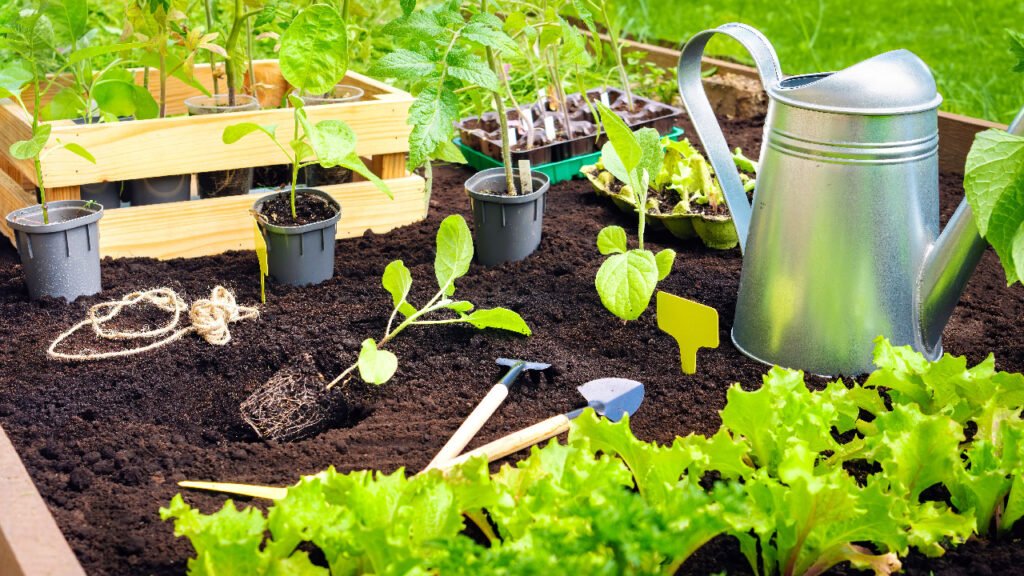
Why Start a Backyard Garden?
Backyard gardening offers numerous benefits beyond simply growing plants.
Benefits include:
- Fresh fruits and vegetables
- Lower grocery costs
- Better outdoor living spaces
- Increased physical activity
- Reduced stress
- Improved curb appeal
Many gardeners find that growing their own food and flowers is both enjoyable and satisfying.
Choosing the Right Garden Location
The success of your garden often begins with selecting the proper location.
Sunlight Requirements
Most vegetables and flowers require:
- At least 6 to 8 hours of direct sunlight daily
Before planting, observe your yard throughout the day to identify the sunniest areas.
Access to Water
Choose a location that is close to a water source whenever possible.
Benefits include:
- Easier watering
- Less maintenance
- Healthier plants
A nearby garden hose can save considerable time and effort.
Good Drainage
Avoid areas where water tends to collect after rainfall.
Poor drainage can cause:
- Root rot
- Fungal diseases
- Slow plant growth
Well-drained soil helps roots develop properly.
Start Small
One of the most common beginner mistakes is planting too much at once.
Instead of creating a large garden immediately, begin with a manageable space.
Examples:
- Small raised bed
- A few containers
- A simple garden plot
Starting small allows you to learn gardening basics without becoming overwhelmed.
Understanding Your Soil
Healthy soil is the foundation of a successful garden.
What Good Soil Provides
- Nutrients
- Water retention
- Air circulation
- Root support
Most plants perform best in soil that is rich in organic matter.
Improve Soil Quality
Adding organic materials can improve soil structure.
Common options include:
- Compost
- Aged manure
- Leaf mold
- Organic soil amendments
Healthy soil often produces healthier plants with fewer problems.
Choosing Easy Plants for Beginners
Some plants are easier to grow than others.
Beginner-Friendly Vegetables
Tomatoes
Popular and productive in many climates.
Lettuce
Fast-growing and easy to harvest.
Green Beans
Require minimal maintenance.
Peppers
Suitable for garden beds and containers.
Cucumbers
Productive and relatively easy to grow.
Beginner-Friendly Herbs
Basil
Easy to grow and widely used in cooking.
Mint
Fast-growing and resilient.
Parsley
Suitable for containers and garden beds.
Chives
Low maintenance and productive.
Beginner-Friendly Flowers
Marigolds
Bright flowers that attract pollinators.
Zinnias
Colorful and easy to grow.
Sunflowers
Excellent for beginner gardeners.
Petunias
Popular for garden beds and containers.
Raised Beds vs In-Ground Gardens
Both options can produce successful gardens.
Raised Beds
Advantages:
- Better drainage
- Improved soil control
- Easier weed management
- Reduced soil compaction
In-Ground Gardens
Advantages:
- Lower setup cost
- Suitable for larger spaces
- Natural appearance
Choose the option that best fits your yard and budget.
Watering Your Garden
Proper watering is essential for healthy plant growth.
Best Watering Practices
- Water deeply
- Water early in the morning
- Avoid frequent shallow watering
Deep watering encourages stronger root systems.
Signs of Underwatering
- Wilting leaves
- Dry soil
- Slow growth
Signs of Overwatering
- Yellow leaves
- Root problems
- Fungal diseases
Finding the right balance is important for plant health.
Using Mulch
Mulch provides several benefits for beginner gardeners.
Benefits of Mulching
- Conserves moisture
- Reduces weeds
- Regulates soil temperature
- Improves appearance
Popular mulch materials include:
- Wood chips
- Straw
- Shredded leaves
A layer of mulch can significantly reduce garden maintenance.
Fertilizing Your Plants
Plants require nutrients to grow and produce flowers or vegetables.
Key nutrients include:
- Nitrogen
- Phosphorus
- Potassium
Organic Fertilizer Options
- Compost
- Fish emulsion
- Bone meal
- Organic granular fertilizers
Always follow application instructions to avoid over-fertilizing.
Managing Weeds
Weeds compete with plants for water, sunlight, and nutrients.
Weed Prevention Tips
- Apply mulch
- Pull weeds regularly
- Avoid allowing weeds to produce seeds
Early weed control is often easier than dealing with mature infestations.
Supporting Plant Growth
Certain plants require support structures as they grow.
Examples include:
Tomatoes
Often require cages or stakes.
Cucumbers
Can benefit from trellises.
Pole Beans
Need climbing support.
Providing support helps improve airflow and harvest quality.
Common Gardening Mistakes
Planting Too Much
Starting with a smaller garden often leads to greater success.
Ignoring Sunlight Requirements
Plants placed in the wrong location may struggle to grow.
Overwatering
Too much water can be as harmful as too little.
Neglecting Soil Quality
Healthy soil is one of the most important factors in gardening success.
Planting at the Wrong Time
Follow local planting calendars and seasonal recommendations.
Seasonal Garden Maintenance
Spring
- Prepare soil
- Plant seeds and seedlings
- Apply mulch
Summer
- Water regularly
- Control weeds
- Monitor pests
Fall
- Harvest crops
- Remove dead plants
- Add compost
Winter
- Clean tools
- Plan next season’s garden
- Protect sensitive plants
Frequently Asked Questions
What is the easiest vegetable for beginners to grow?
Lettuce, green beans, and tomatoes are among the easiest vegetables for new gardeners.
How much sunlight does a vegetable garden need?
Most vegetables perform best with at least six hours of direct sunlight each day.
Is raised-bed gardening better for beginners?
Many beginners find raised beds easier to manage because of improved drainage and soil control.
How often should I water my garden?
Watering needs vary by climate and plant type, but deep watering several times per week is often more effective than daily shallow watering.
Final Thoughts
Backyard gardening is a rewarding activity that can provide fresh food, beautiful flowers, and a stronger connection to nature. By choosing a suitable location, improving your soil, selecting beginner-friendly plants, and following proper watering and maintenance practices, you can build a healthy and productive garden. Start small, learn from experience, and enjoy the process of watching your garden grow season after season.