
A beautiful yard doesn’t have to require hours of work every week. By choosing the right plants, materials, and design strategies, homeowners can create a landscape that looks attractive year-round while requiring minimal watering, pruning, mowing, and upkeep.
A low-maintenance landscape is ideal for busy homeowners, frequent travelers, retirees, or anyone who wants to spend less time working in the yard and more time enjoying it. This guide covers practical ways to design a landscape that stays attractive with less effort.
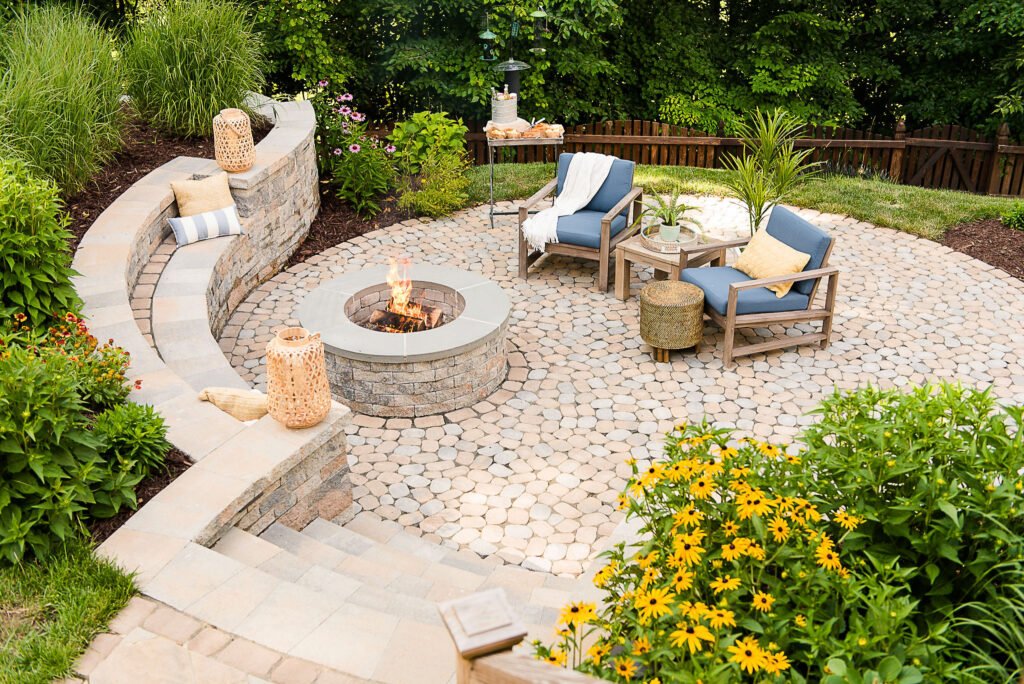
What Is a Low-Maintenance Landscape?
A low-maintenance landscape is designed to reduce routine tasks such as:
- Watering
- Mowing
- Weeding
- Pruning
- Fertilizing
- Replanting
The goal is to create an outdoor space that remains functional and visually appealing while requiring less ongoing care.
Benefits of a Low-Maintenance Landscape
Many homeowners are choosing simpler landscape designs because they offer several advantages.
Benefits include:
- Lower maintenance costs
- Reduced water usage
- Less time spent on yard work
- Fewer gardening supplies needed
- Improved long-term sustainability
- Greater year-round appearance
A well-designed low-maintenance yard can also increase property value while reducing workload.
Start With a Simple Design
One of the biggest mistakes homeowners make is creating overly complicated landscapes.
Keep Layouts Simple
Consider:
- Larger planting beds
- Fewer plant varieties
- Defined borders
- Open spaces
Simple designs are easier to maintain and often create a cleaner appearance.
Choose Native Plants
Native plants are adapted to local climate and soil conditions.
Advantages of Native Plants
- Require less water
- Better pest resistance
- Reduced fertilizer needs
- Improved drought tolerance
Because native species naturally thrive in local environments, they typically require less attention than exotic plants.
Select Drought-Tolerant Plants
Watering can be one of the most time-consuming aspects of landscape maintenance.
Popular drought-tolerant plants include:
- Lavender
- Coneflowers
- Daylilies
- Ornamental grasses
- Junipers
- Succulents
These plants often remain attractive even during dry conditions.
Reduce Lawn Size
Traditional lawns often require:
- Weekly mowing
- Fertilizing
- Watering
- Weed control
Reducing lawn area can significantly lower maintenance requirements.
Alternatives to Large Lawns
Consider:
- Ground covers
- Mulched beds
- Decorative stone
- Native plant gardens
Smaller lawns often mean less work throughout the year.
Use Mulch Generously
Mulch is one of the most effective tools for creating a low-maintenance landscape.
Benefits of Mulch
- Reduces weed growth
- Retains soil moisture
- Regulates soil temperature
- Improves appearance
Popular mulch options include:
- Wood chips
- Bark mulch
- Pine straw
- Shredded leaves
A properly mulched landscape requires less watering and weeding.
Install Automatic Irrigation
Automated irrigation systems can greatly reduce maintenance.
Benefits
- Consistent watering
- Water conservation
- Reduced manual labor
- Healthier plants
Drip irrigation systems are particularly effective because they deliver water directly to plant roots.
Group Plants by Water Needs
A technique known as hydrozoning involves grouping plants with similar watering requirements.
Benefits include:
- More efficient irrigation
- Reduced water waste
- Healthier plants
This approach simplifies landscape maintenance and irrigation management.
Choose Slow-Growing Shrubs
Fast-growing plants often require frequent pruning.
Low-maintenance shrub options include:
- Boxwood
- Dwarf holly
- Juniper
- Arborvitae
- Spirea
Slow-growing plants maintain their shape with minimal trimming.
Add Hardscaping Elements
Hardscaping refers to non-living landscape features.
Examples include:
- Patios
- Walkways
- Retaining walls
- Decorative stone
- Gravel areas
Hardscape features reduce the amount of plant material that requires ongoing maintenance.
Use Ground Covers Instead of Turf
Ground covers can replace grass in difficult areas.
Popular options include:
- Creeping thyme
- Liriope
- Ajuga
- Sedum
Benefits include:
- Less mowing
- Reduced watering
- Fewer weeds
Ground covers are particularly useful on slopes and shaded areas.
Minimize High-Maintenance Features
Some landscape elements require frequent upkeep.
Examples include:
- Large flower beds
- Delicate annuals
- Formal hedges
- Water features
Limiting these features can significantly reduce maintenance demands.
Improve Soil Quality
Healthy soil supports healthier plants.
Benefits of Healthy Soil
- Better moisture retention
- Stronger root systems
- Reduced fertilizer needs
Adding compost and organic matter can improve long-term landscape performance.
Create Defined Landscape Borders
Well-defined edges help keep landscape beds organized.
Benefits include:
- Easier mowing
- Improved appearance
- Reduced weed spread
Popular edging materials include:
- Stone
- Brick
- Metal edging
- Landscape timbers
Select Low-Maintenance Trees
Trees can provide shade, privacy, and visual interest without requiring constant attention.
Popular low-maintenance choices include:
- Red Maple
- River Birch
- Crape Myrtle
- Magnolia
- Eastern Redbud
Choose species appropriate for your climate and available space.
Seasonal Maintenance Tips
Even low-maintenance landscapes require occasional care.
Spring
- Refresh mulch
- Remove debris
- Inspect irrigation systems
Summer
- Monitor watering needs
- Control occasional weeds
Fall
- Remove leaves
- Trim damaged branches
- Prepare plants for winter
Winter
- Inspect hardscaping
- Plan future improvements
Common Low-Maintenance Landscaping Mistakes
Choosing Plants Without Research
Not all attractive plants are easy to maintain.
Planting Too Densely
Crowded plants often require additional pruning and maintenance.
Ignoring Mature Plant Size
Plants that outgrow their space create ongoing maintenance issues.
Overcomplicating the Design
Simple landscapes are generally easier and less expensive to maintain.
Frequently Asked Questions
What is the easiest type of landscape to maintain?
Landscapes that combine native plants, mulch, drought-tolerant species, and hardscaping elements are typically the easiest to maintain.
How can I reduce lawn maintenance?
Reduce lawn size, install ground covers, and use mulched planting beds where appropriate.
Is mulch really necessary?
Mulch significantly reduces weeds, conserves moisture, and improves overall landscape appearance.
Do low-maintenance landscapes still look attractive?
Yes. Many low-maintenance designs are visually appealing, sustainable, and highly functional.
Final Thoughts
Creating a low-maintenance landscape begins with thoughtful planning and smart plant selection. By incorporating native plants, reducing lawn size, using mulch, adding hardscaping features, and choosing drought-tolerant species, homeowners can enjoy an attractive outdoor space without constant upkeep. A well-designed low-maintenance landscape not only saves time and money but also creates a more sustainable and enjoyable environment for years to come.