
Improving energy efficiency is one of the smartest investments homeowners can make. An energy-efficient home uses less electricity and fuel while maintaining comfort throughout the year. In addition to reducing utility bills, energy-saving improvements can increase property value, improve indoor comfort, and reduce environmental impact.
Whether you’re looking for simple upgrades or larger home improvements, this guide covers practical ways to improve energy efficiency in your home.
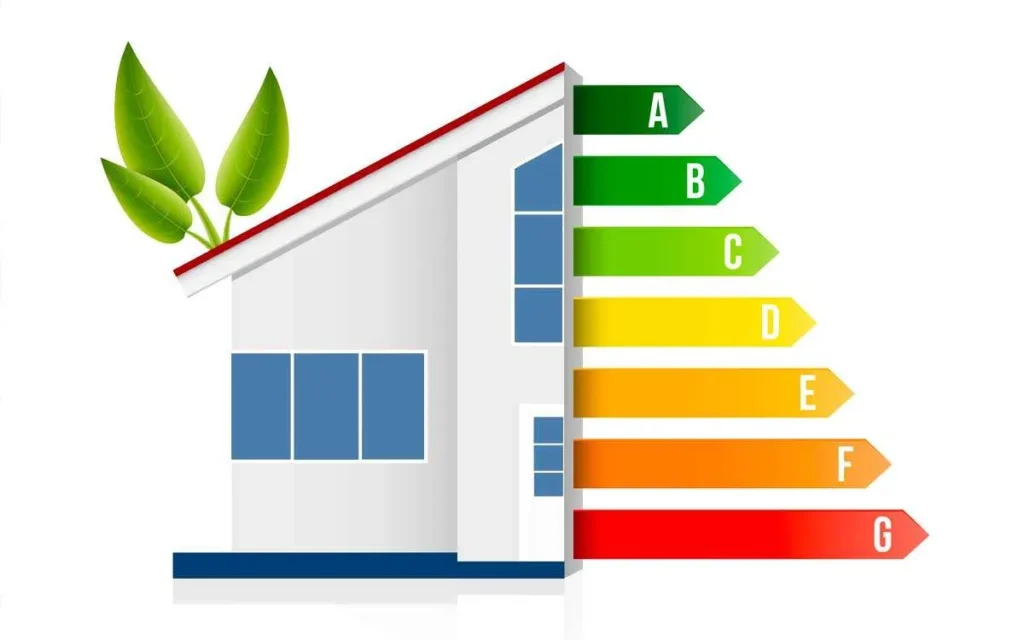
Why Energy Efficiency Matters
An energy-efficient home offers several benefits:
- Lower monthly utility bills
- Improved indoor comfort
- Reduced energy waste
- Increased home value
- Less strain on heating and cooling systems
- Reduced environmental impact
Even small improvements can lead to noticeable savings over time.
Upgrade to LED Lighting
Lighting is one of the easiest areas to improve.
Benefits of LED Bulbs
- Use significantly less electricity
- Last much longer than traditional bulbs
- Produce less heat
- Require less frequent replacement
Replacing older incandescent bulbs with LEDs is often one of the quickest ways to reduce energy consumption.
Install a Smart Thermostat
Heating and cooling typically account for a large portion of household energy use.
Benefits of Smart Thermostats
- Automatic temperature adjustments
- Remote control through smartphone apps
- Customized schedules
- Energy usage monitoring
By reducing unnecessary heating and cooling, homeowners can often lower energy costs without sacrificing comfort.
Improve Home Insulation
Insulation helps maintain indoor temperatures by reducing heat transfer.
Areas to Insulate
Attics
Heat often escapes through poorly insulated attics.
Walls
Wall insulation helps stabilize indoor temperatures.
Basements and Crawl Spaces
Proper insulation can reduce heat loss and improve comfort.
Good insulation allows heating and cooling systems to operate more efficiently.
Seal Air Leaks
Small air leaks can significantly reduce energy efficiency.
Common Problem Areas
- Windows
- Doors
- Electrical outlets
- Attic openings
- Pipe penetrations
Solutions
- Weather stripping
- Caulking
- Door sweeps
- Foam sealants
Sealing leaks helps prevent conditioned air from escaping.
Upgrade Windows
Older windows can contribute to significant energy loss.
Energy-Efficient Window Features
- Double-pane glass
- Triple-pane glass
- Low-E coatings
- Insulated frames
While replacing windows can be a larger investment, it often improves comfort and efficiency.
Use Ceiling Fans Effectively
Ceiling fans can help reduce heating and cooling demands.
Summer
Fans create a wind-chill effect that helps rooms feel cooler.
Winter
Reversing fan direction can help distribute warm air more evenly.
Ceiling fans do not lower room temperature but can improve comfort while reducing HVAC usage.
Maintain Your HVAC System
Regular maintenance helps heating and cooling systems operate efficiently.
Important Tasks
- Replace air filters regularly
- Clean vents and registers
- Schedule professional inspections
- Keep outdoor units free of debris
A well-maintained HVAC system uses less energy and may last longer.
Upgrade to Energy-Efficient Appliances
Older appliances often consume more energy than newer models.
Appliances Worth Upgrading
- Refrigerators
- Dishwashers
- Washing machines
- Dryers
- Water heaters
Modern energy-efficient models can reduce utility costs over their lifespan.
Reduce Water Heating Costs
Water heating can be a significant household energy expense.
Energy-Saving Strategies
Lower Water Heater Temperature
Many households can comfortably use a lower setting.
Install Low-Flow Fixtures
Reduce hot water consumption without sacrificing performance.
Insulate Water Pipes
Helps retain heat and improves efficiency.
Upgrade Water Heaters
Newer models often use less energy.
Use Smart Power Strips
Many electronics continue consuming electricity even when turned off.
This is known as standby power or “phantom load.”
Smart Power Strip Benefits
- Automatically cuts power to unused devices
- Reduces unnecessary energy consumption
- Helps lower electricity bills
These devices are inexpensive and easy to install.
Improve Appliance Efficiency
Simple habits can reduce energy use.
Refrigerator Tips
- Keep door seals clean
- Avoid leaving doors open
- Maintain proper temperature settings
Dishwasher Tips
- Run full loads
- Use energy-saving cycles
- Allow dishes to air dry when possible
Laundry Tips
- Wash clothes with cold water
- Run full loads
- Clean dryer vents regularly
Small adjustments can add up to meaningful savings.
Maximize Natural Light
Reducing artificial lighting needs can lower energy consumption.
Strategies
- Open curtains during the day
- Use light-colored paint
- Trim outdoor plants blocking windows
- Add mirrors to reflect sunlight
Natural light can improve both energy efficiency and indoor comfort.
Consider Solar Energy
For homeowners seeking long-term energy savings, solar power may be worth exploring.
Potential Benefits
- Reduced electricity bills
- Renewable energy production
- Increased property value
- Lower dependence on utility providers
Solar installations require a larger upfront investment but can provide long-term benefits.
Energy-Efficient Habits Every Homeowner Should Follow
Daily habits play an important role in reducing energy use.
Turn Off Lights When Not Needed
A simple but effective habit.
Unplug Unused Devices
Reduces standby power consumption.
Use Programmable Schedules
Automate lighting and thermostat settings.
Close Blinds During Hot Weather
Helps reduce cooling costs.
Use Appliances During Off-Peak Hours
May lower energy costs in some utility markets.
Common Energy Efficiency Mistakes
Ignoring Air Leaks
Even small leaks can waste significant amounts of energy.
Skipping HVAC Maintenance
Dirty filters and neglected equipment reduce efficiency.
Using Outdated Lighting
Older bulbs consume considerably more electricity.
Overheating or Overcooling the Home
Small thermostat adjustments can generate noticeable savings.
Overlooking Insulation
Insulation is often one of the most effective energy-saving improvements.
Energy Efficiency Checklist
✓ Replace incandescent bulbs with LEDs
✓ Install a smart thermostat
✓ Seal windows and doors
✓ Improve insulation
✓ Replace HVAC filters regularly
✓ Use smart power strips
✓ Upgrade inefficient appliances
✓ Reduce hot water usage
✓ Maximize natural light
✓ Follow energy-saving habits
Frequently Asked Questions
What is the easiest way to improve energy efficiency?
Switching to LED lighting and sealing air leaks are among the simplest and most affordable upgrades.
Do smart thermostats save money?
Many homeowners see reduced heating and cooling costs through automated temperature management.
Is insulation worth the investment?
Yes. Proper insulation can improve comfort and reduce energy expenses for many years.
Which appliance uses the most energy?
Heating and cooling systems are often the largest energy consumers in most homes.
Final Thoughts
Improving energy efficiency at home doesn’t always require major renovations. Simple upgrades such as LED lighting, smart thermostats, improved insulation, air sealing, and energy-efficient appliances can significantly reduce utility bills while improving comfort. By combining smart home improvements with energy-conscious daily habits, homeowners can create a more efficient, comfortable, and cost-effective living environment for years to come.