
Gardening is a year-round activity that requires different care and attention throughout each season. Changes in temperature, rainfall, sunlight, and plant growth cycles all influence how a garden should be maintained. By adapting your gardening practices to the seasons, you can keep your plants healthier, improve yields, and maintain an attractive landscape throughout the year.
This guide provides practical seasonal gardening tips to help homeowners get the most out of their gardens in every season.
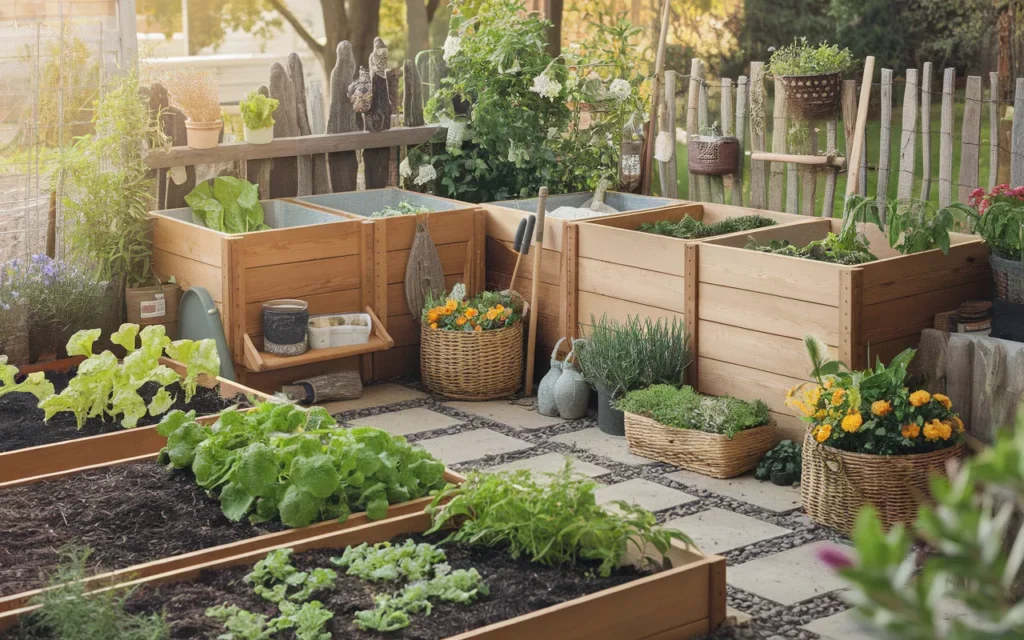
Why Seasonal Gardening Matters
Plants have different needs throughout the year. Understanding these seasonal changes helps gardeners:
- Improve plant health
- Increase flower and vegetable production
- Reduce pest and disease problems
- Protect plants from extreme weather
- Maintain a beautiful outdoor space year-round
A seasonal approach also makes gardening tasks more manageable and effective.
Spring Gardening Tips
Spring is one of the busiest and most important times for gardeners. As temperatures begin to rise, plants emerge from dormancy and begin a new growth cycle.
Clean Up Your Garden
Start the season by removing:
- Fallen branches
- Dead leaves
- Winter debris
- Dead annual plants
Cleaning garden beds improves appearance and reduces potential pest and disease problems.
Prepare the Soil
Healthy soil is the foundation of a successful garden.
Spring soil preparation may include:
- Adding compost
- Mixing in organic matter
- Testing soil pH
- Improving drainage
Rich soil provides nutrients that support strong plant growth.
Start Planting
Spring is the ideal time to plant many garden favorites.
Popular spring planting options include:
Vegetables
- Lettuce
- Spinach
- Peas
- Carrots
Flowers
- Marigolds
- Petunias
- Zinnias
- Sunflowers
Always follow planting recommendations for your local climate zone.
Apply Mulch
Adding mulch in spring offers several benefits:
- Conserves moisture
- Reduces weeds
- Improves soil temperature regulation
Organic mulch can also gradually improve soil quality as it breaks down.
Summer Gardening Tips
Summer brings rapid plant growth, but also introduces challenges such as heat stress and drought.
Water Properly
Proper watering becomes critical during hot weather.
Best Practices
- Water deeply
- Water early in the morning
- Avoid frequent shallow watering
Deep watering encourages stronger root systems.
Monitor for Pests
Many garden pests become more active during summer.
Common pests include:
- Aphids
- Caterpillars
- Whiteflies
- Beetles
Inspect plants regularly and address problems before infestations spread.
Deadhead Flowers
Deadheading involves removing spent blooms from flowering plants.
Benefits include:
- Encourages additional blooms
- Improves appearance
- Extends flowering periods
Many annual flowers benefit from regular deadheading throughout summer.
Harvest Vegetables Regularly
Frequent harvesting often encourages continued production.
Vegetables that benefit from regular harvesting include:
- Cucumbers
- Tomatoes
- Beans
- Peppers
Leaving mature produce on plants can slow further growth.
Fall Gardening Tips
Fall is often considered one of the best gardening seasons because cooler temperatures reduce plant stress.
Continue Harvesting
Many vegetables remain productive well into autumn.
Popular fall harvest crops include:
- Pumpkins
- Squash
- Broccoli
- Kale
Monitor weather forecasts and harvest before hard frosts arrive.
Plant Cool-Season Crops
Certain vegetables thrive in cooler temperatures.
Examples include:
- Lettuce
- Spinach
- Radishes
- Carrots
Fall gardens can provide fresh harvests long after summer crops are finished.
Divide Perennials
Many perennial plants benefit from division every few years.
Benefits include:
- Healthier plants
- Increased flowering
- Additional plants for other garden areas
Fall is often an ideal time for this task.
Add Compost
Autumn is an excellent time to enrich garden soil.
Adding compost helps:
- Improve soil structure
- Increase nutrient content
- Prepare beds for spring planting
Remove Diseased Plants
Removing unhealthy plant material reduces the risk of disease carrying over into the next growing season.
Dispose of infected plants properly rather than adding them to compost piles.
Winter Gardening Tips
Although growth slows during winter, there are still important gardening tasks to complete.
Protect Sensitive Plants
Cold temperatures can damage vulnerable plants.
Protection methods may include:
- Mulching
- Frost blankets
- Plant covers
- Moving containers indoors
The level of protection needed depends on local climate conditions.
Water During Dry Periods
Some plants still require moisture during winter, especially during extended dry periods.
Avoid overwatering dormant plants.
Prune Certain Trees and Shrubs
Winter is often a good time to prune:
- Fruit trees
- Deciduous trees
- Certain shrubs
Pruning can improve structure and encourage healthy spring growth.
Maintain Gardening Tools
Winter provides an opportunity to care for equipment.
Tasks may include:
- Cleaning tools
- Sharpening blades
- Replacing damaged handles
- Organizing storage areas
Proper maintenance extends tool lifespan and improves performance.
Plan Next Year’s Garden
Winter is an excellent time to evaluate and improve your garden.
Consider:
- New plant varieties
- Garden layout changes
- Irrigation improvements
- Additional raised beds
Planning ahead can make spring gardening more productive.
Year-Round Gardening Tips
Some gardening practices remain important regardless of the season.
Monitor Plant Health
Regular inspections help identify:
- Pests
- Diseases
- Nutrient deficiencies
- Watering problems
Early intervention often prevents larger issues.
Maintain Healthy Soil
Healthy soil supports healthy plants throughout the year.
Regular additions of:
- Compost
- Organic matter
- Mulch
can improve long-term garden performance.
Stay Consistent
Small amounts of regular maintenance are often more effective than occasional major efforts.
Consistent care helps prevent many common gardening problems.
Seasonal Gardening Checklist
| Season | Key Gardening Tasks |
|---|---|
| Spring | Clean beds, prepare soil, plant crops, apply mulch |
| Summer | Water deeply, monitor pests, harvest regularly |
| Fall | Harvest crops, divide perennials, add compost |
| Winter | Protect plants, prune, maintain tools, plan future gardens |
Common Seasonal Gardening Mistakes
Planting Too Early
Unexpected frost can damage young plants.
Overwatering During Summer
Too much water can be just as harmful as too little.
Ignoring Fall Garden Cleanup
Diseased plant material can create future problems.
Neglecting Winter Protection
Some plants require protection from freezing temperatures.
Frequently Asked Questions
What is the best season for gardening?
Each season offers unique opportunities, but spring and fall are often considered the most productive gardening periods.
Should I fertilize my garden every season?
Fertilization needs depend on plant type, soil quality, and climate conditions.
Can vegetables be grown in fall?
Yes. Many cool-season vegetables perform exceptionally well during autumn.
Is gardening necessary during winter?
While growth slows, winter remains an important time for planning, pruning, and protecting plants.
Final Thoughts
Successful gardening requires adapting to the changing seasons. By preparing your garden in spring, maintaining plant health during summer, taking advantage of fall growing opportunities, and protecting plants during winter, homeowners can enjoy healthier landscapes and more productive gardens throughout the year. A seasonal gardening routine not only improves plant performance but also helps create a beautiful and thriving outdoor space year after year.